
Global Development Fellowship Program

What is Global Development Fellowship Program?
This is not a program for passive learning.
The Global Development Fellowship is designed for university students and emerging professionals willing to think bigger, work harder, and lead differently. Seriously, it takes grit! Yes, there will be late nights, early mornings, difficult conversations, hard decisions, and the discipline to show up when the work becomes challenging.
Fellows commit to meaningful work that stretches the mind and strengthens character. Through real-world problem solving, international collaboration, and community-centered projects, participants begin thinking beyond the classroom and toward an executive mindset rooted in accountability, service, and action.
For those who value learning, prioritize serving, and live to build—this is where growth begins.
Fellowship Roles
The Global Fellowship operates through defined roles.
Each role carries scope, responsibility, and measurable expectations.
-
Primary responsibility within an assigned project track.
Analysts manage deliverables, coordinate communication with partner teams, and uphold reporting standards across the engagement cycle. -
Structured contributor role.
Junior Analysts support research, implementation, and documentation while building operational discipline and readiness for expanded responsibility. -
Focused analytical role.
Researchers develop background briefs, policy analysis, data synthesis, and strategic summaries that inform field decisions and partner planning.All roles operate within defined scopes and timelines. Advancement reflects readiness, not tenure.
2025 - 2026
Global Development Fellowship Awardees

Dominic Ouryan
AnalystUniversity of Texas at DallasInternational Governance & Financial Oversight Track
Global Fellow Program Cohort Graduation August 2026
The Governance & Financial Oversight Track prepares emerging analysts to engage in multi-currency fund monitoring and executive-level decision-making within a live governance environment, fiscal accountability, and institutional leadership.
Workforce Development Competencies Developed:
• Financial Monitoring & Multi-Currency Fund Oversight
• International Audit Awareness & Reporting
• Executive Decision Support
• Cross-Cultural Stakeholder Coordination
• Operational Risk Assessment
• Ethical Leadership & Governance Participation
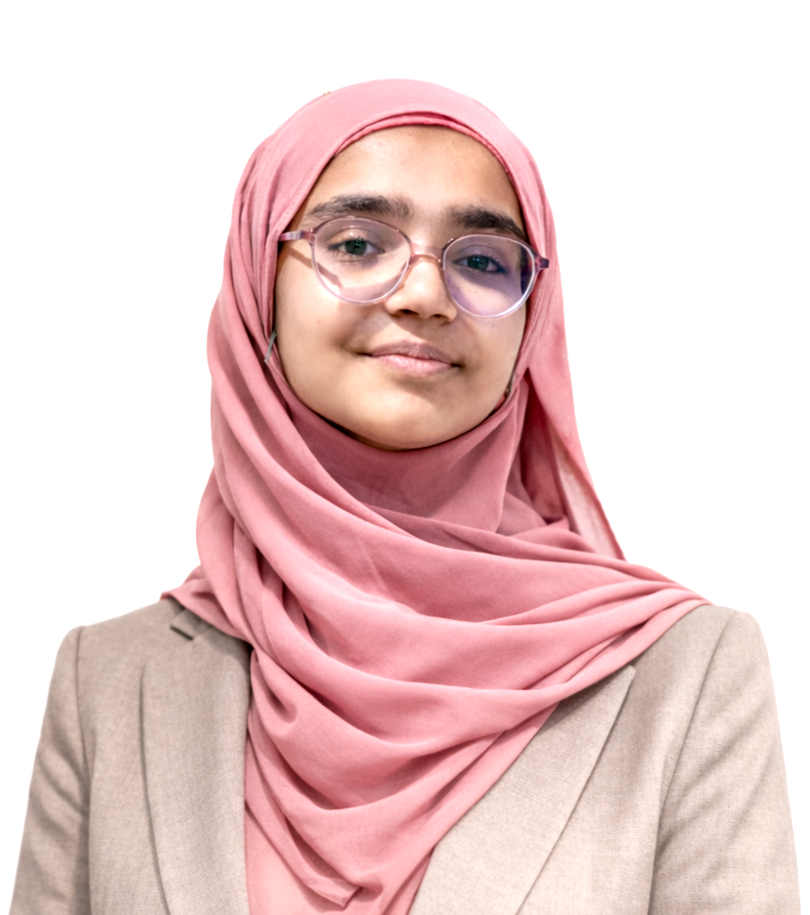
Anum Sheik
Georgia State UniversityCrisis Risk & Operational Intelligence Track
Global Fellow Program Cohort Graduation August 2026
The Crisis Risk & Operational Intelligence Track prepares emerging analysts to assess geopolitical, technological, and environmental risk factors before project deployment, ensuring safety-aligned, context-sensitive implementation strategies.
Workforce Development Competencies Developed:
• Crisis Risk Screening & Mitigation Planning
• Infrastructure Visibility Risk Analysis
• Technology Feasibility Research
• Executive-Level Decision Support
• Cross-Border Operational Intelligence
• Ethical & Context-Aware Resource Allocation
Jr. Analyst
Antonio Gonzales - Himmerick
Jr. AnalystGap YearMechanical Systems & Technical Development Track
Global Fellow Program Cohort Graduation August 2026
The Technical & Mechanical Systems Track develops early-career talent in structured technical documentation and feasibility assessment for implementation, aligning workforce preparation with engineering-adjacent and infrastructure pathways.
Workforce Development Competencies Developed:
• Technical Proposal Drafting & Documentation
• Mechanical Design Concept Development
• Equipment Feasibility Research
• Applied Engineering Analysis
• Structured Technical Reporting
• Cross-Functional Project Support

Jonathan Alexander Liew
To be announcedResearcherResearch & Strategic Intelligence Track
Global Fellow Program Cohort Graduation August 2026
The Research & Strategic Intelligence Track prepares emerging researchers to conduct structured inquiry, synthesize complex information, and support decision-making through clear, evidence-based analysis. Participants develop the ability to investigate global issues, evaluate source credibility, identify patterns across sectors, and translate research findings into practical insights for leadership, program development, and strategic planning.
Workforce Development Competencies Developed:
• Research Design & Information Gathering
• Evidence-Based Analysis & Insight Development
• Source Verification & Credibility Assessment
• Strategic Brief Writing & Reporting
• Cross-Sector Trend Identification
• Decision Support Through Applied Research
The Nature of the Work

Global engagement is not abstract.
Fellows contribute directly to active TBE BUILD Global Pipeline initiatives, long-term projects designed to strengthen infrastructure, expand access, and reinforce community capacity.
Current pipeline initiatives include:
-
Advancing community-centered recreational and civic infrastructure
-
Strengthening English language access and academic readiness in complex environments.
-
Sustaining educational continuity in regions affected by instability.
These initiatives are multi-year and partnership-driven. They are not episodic service efforts. Each cohort advances work already in motion, contributing to continuity rather than starting anew.
Throughout the Fellowship year, participants support these projects through research, operational planning, reporting structures, implementation tracking, and partner coordination. Their analytical work informs field execution and long-term planning.
During the annual on-site engagement, Fellows contribute to BUILD project implementation and present documented progress to local leadership, community representatives, and government stakeholders.
The Fellowship does not simplify global work. Here at Toma Barre Education, we prepare Fellows to contribute responsibly and with discipline.
Selective Pathway
-
Analyst & Junior Analyst Track
Virtual Engagement: October – June
On-Site Engagement: July (annual cohort capstone)
The virtual phase focuses on research, documentation, partner coordination, and BUILD pipeline advancement.
July represents the physical execution and presentation phase of the year’s work.Guest Researcher Track
Virtual Engagement: April – May
Guest Researchers contribute within a defined, short-term analytical window aligned to active pipeline needs. This role does not include the July on-site engagement.
-
Analyst & Junior Analyst
October–June: 4–8 hours per week (average)
Milestone periods may require increased weekly engagement
July: full participation during the designated on-site period
Consistency across the year is expected. Field participation reflects preparation completed during the virtual cycle.
Guest Researcher
April–May: 4–6 hours per week
Deliverable-based contribution within a defined research scope
-
Technology
Reliable laptop or desktop computer
Stable internet connection
Ability to operate within shared cloud documentation systems
Video conferencing capability
Professional Standards
Written communication aligned to documentation standards
Adherence to timelines and reporting expectations
Capacity to represent TBE in partner-facing environments
Field Standards (Analyst & Junior Analyst)
Completion of pre-departure preparation
Compliance with safety and operational protocols
Readiness to present work to local leadership and community stakeholders
-
Analyst
Senior-level university students
Graduate students
Early-career professionals with demonstrated readiness
Junior Analyst
Junior-level university students
Strong academic standing and structured work ethic
Guest Researcher
Upper-level undergraduates
Graduate students
Subject-area contributors aligned to project needs
Selection reflects readiness to assume sustained responsibility in active BUILD Global Pipeline initiatives.
-
The Global Fellowship is accessible worldwide.
Virtual engagement (October–June for Analysts and Junior Analysts; April–May for Guest Researchers) is conducted remotely through structured coordination platforms.
Participants may apply from any country, provided they can meet the program’s time commitment and technology requirements.
The annual July on-site engagement occurs within an active TBE BUILD Global Pipeline project location. Travel details are confirmed based on the cohort year and partner readiness.
International participation is welcome.
Representation carries responsibility.
International Onsite Travel
Year-End Capstone Engagement
The Fellowship culminates in physical presence. All Fellows participate in an annual, supervised on-site engagement at the conclusion of the program year.
This engagement is not incidental. It is the result of sustained preparation, analytical work, and structured contribution throughout the Fellowship cycle.
Over the course of the year, Fellows prepare for direct field execution through research, partner coordination, documentation standards, and project planning. The on-site phase represents the applied expression of that preparation.
During engagement, Fellows:
Contribute directly to BUILD project execution
Support implementation alongside partner teams
Present findings and progress to local leadership
Engage with government and community stakeholders
Document outcomes and post-engagement reporting
On-site participation is a show of disciplined completion of a year’s work.


Apply Here
Toma Barre Education maintains a nondiscrimination policy in Fellowship selection. Inclusion is not an accommodation but a standard practice. Selection reflects merit and preparedness. We welcome all.